
Аннотация
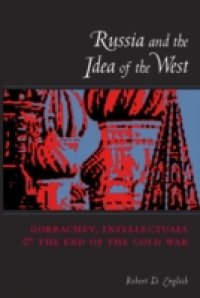
An intriguing "e;intellectual portrait"e; of a generation of Soviet reformers, this book is also a fascinating case study of how ideas can change the course of history. In most analyses of the Cold War's end the ideological aspects of Gorbachev's "e;new thinking"e; are treated largely as incidental to the broader considerations of poweras gloss on what was essentially a retreat forced by crisis and decline. Robert English makes a major contribution by demonstrating that Gorbachev's foreign policy was in fact the result of an intellectual revolution. English analyzes the rise of a liberal policy-academic elite and its impact on the Cold War's end.English worked in the archives of the USSR Foreign Ministry and also gained access to the restricted collections of leading foreign-policy institutes. He also conducted nearly 400 interviews with Soviet intellectuals and policy makersfrom Khrushchev- and Brezhnev-era Politburo members to Perestroika-era notables such as Eduard Shevardnadze and Gorbachev himself. English traces the rise of a "e;Westernizing"e; worldview from the post-Stalin years, through a group of liberals in the late1960s70s, to a circle of close advisers who spurred Gorbachev's most radical reforms.







Отзывы